
Key Takeaways
- Opt for balanced NPK fertilizers like 10-10-10 or 20-20-20 to encourage robust azalea growth and flowering.
- Keep soil slightly acidic, around 5.5 to 6.5 on the pH scale, employing soil amendments and frequent testing to preserve optimal nutrient absorption.
- Think organic vs. synthetic – slow-release vs. quick nutrient delivery.
- Time fertilizer applications to the azalea’s growing season, avoiding times of stress or extreme weather as best you can.
- Monitor your azaleas for signs of nutrient deficiencies, including yellow leaves, stunted growth, and poor blooming, and adapt your care as needed.
- Back it up with healthy soil — mulches, good soil biology, and routine applications of organic matter for the long-term sustainability of your azaleas.
Use the best fertilizer for azaleas that’s intended for acid-loving plants and contains a balanced blend of nitrogen, phosphorus and potassium. Azaleas thrive with higher acid ratio fertilizers, typically displayed as something like 10-5-4 or 12-6-6. They are blends that help keep the soil pH low — key for healthy roots and bright blooms. Most gardeners apply slow-release granular or water-soluble types that are safe for shrubs. Looking for the words ‘for azaleas, camellias, or rhododendrons’ on the label will help you choose the correct one. When it comes to keeping azaleas robust, the when and how of feeding prevents floppy growth or yellow leaves. More tips below.

What Is The Best Fertilizer For Azaleas?
Azaleas require a combination of essential nutrients and the right soil conditions to flourish, making good quality azalea fertilizers vital. The best fertilizer provides the optimal mix of macro- and micronutrients to support healthy azalea growth.
- Essential macronutrients: nitrogen (N), phosphorus (P), potassium (K)
- Important micronutrients: iron, magnesium, sulfur, zinc
- Ideal NPK ratio: balanced, like 10-10-10, 20-20-20, or close to 2-1-1 (e.g., 10-5-4)
- Acid-forming to keep soil pH around 5.5 to 6.5
1. Nutrient Ratios
Choosing the right NPK ratio matters. Something like 10-10-10 or even 10-5-4 provides a balanced combination for growth and bloom. Phosphorus helps roots become strong. Excessive nitrogen makes abundant leaf production at the expense of flower strength. Potassium keeps the plant hardy and green.
Look for these figures on the label. For azaleas, like numbers work best, but a little bump in the P is useful. Iron and magnesium based fertilizers protect against yellow leaves. Stay away from very high nitrogen products.
2. Acidity Factor
Azaleas like their soil a little on the acidic side, with a pH from 5.5 to 6.5. Acidic soil allows the plant to absorb nutrients more effectively. Soil that’s too sweet or too sour will block nutrients, and leaves can turn yellow.
Apply fertilizers for acid-loving plants. These assist in keeping soil at the correct pH. Test soil pH frequently and amend with sulfur or organic matter as necessary. Acid-forming fertilizers contribute iron, which azaleas need for green leaves.
3. Organic Choices
Bone meal, fish emulsion and composted manure are mild, slow-release alternatives. They nourish roots gradually, reduce the chance of scorching, and maintain healthy soil. Alfalfa meal puts nitrogen for leaf growth.
Organic acid-forming fertilizers, that work well and help soil keep its acidity. They contribute minute quantities of iron and magnesium as well. The slow action means you won’t have to feed azaleas frequently.
4. Synthetic Choices
Miracle-Gro, Scotts Osmocote, etc, work quick and are convenient to locate. Most are slow-release, so they don’t overwhelm roots. Synthetic fertilizers provide immediate gratification, but over-application burns roots or makes soil less healthy in the long run.
Select one labeled safe for azaleas or acid-loving plants. Use always less than you think — more is not better for azaleas.
5. Release Speed
Fast-release fertilizers act immediately, good for stressed plants. Slow-release varieties nourish roots for months, which reduces the danger of over-application.
Liquid fertilizers provide a fast kick post-bloom or in early summer. Slow-release granular blends are ideal for consistent growth. Once again, only feed azaleas in spring or early summer, immediate post flowering and never late in the season.

When To Fertilize Azaleas
When to feed azaleas can mean all the difference in plant health, bloom quality, and growth. Utilizing good quality azalea fertilizers at the right time impacts the plants’ nutrient uptake efficiency and post-bloom recovery, ensuring vibrant blooms.
- Fertilize when new growth begins in late spring or early summer, if the soil is moist.
- To Azaleas, wait until after blooms fade in spring for 1st feed.
- Don’t fertilize after August 1st or you’ll hurt yourself!
- Skip feeding in droughts, heat waves or stressed plants.
- Take advantage of a calendar or reminder to keep you on track.
- In late fall, avoid high-nitrogen fertilizers as they delay dormancy.
- Think about a second feeding, in mid to late summer, if rainfall is abundant and the growing season extended.
Post-Bloom Feeding
After azaleas bloom in the spring, they burn through a large amount of their reserves. That is when you should fertilize. Feeding at this time replenishes nutrients depleted during flowering and encourages new leaf and root growth. A balanced, acid-forming, slow-release fertilizer is good, particularly to encourage strong leaves after the bloom falls.
Keep an eye on your plants for indications of requirements. If leaves appear chlorotic or growth straggly, another light feeding may assist, provided it is before August 1st. In most gardens, a single spring application will suffice. Regions with long, wet growing seasons might require a second feed before late summer.
Seasonal Timing
Fertilize in late winter/early spring, right when temperatures start to rise and before aggressive new growth appears. This syncs with the plant’s natural cycle, and helps them emerge robust from dormancy. For long, wet summers, reevaluate nutrient requirements in mid-summer. Just be sure that any second feeding occurs before August to prevent issues down the road.
Your local climate and plant type play a role. Azaleas in cooler or drier areas probably don’t require additional feeding. As always, compensate for your local conditions.
Young Plants
Young azaleas require soft treatment. Use diluted liquid fertilizers, so you don’t shock new roots. Look out for strong steady growth, and only feed more if it’s slow coming. Water the soil to keep it moist, which will assist roots in absorbing available nutrients.
Monitor each season’s advance. As the plants mature, you can transition to routine feedings and apply granular fertilizers.
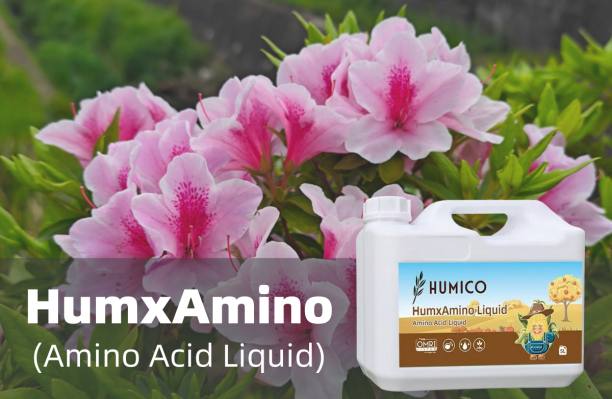
How To Fertilize Azaleas
Fertilizing azaleas, particularly with good quality azalea fertilizers, is crucial to support steady growth and maintain vibrant blooms. Careful steps matter, as azaleas thrive with an acidity level in the soil between pH 4.5 and 6.0. Over-fertilizing can lead to nutrient deficiencies, so apply liquid azalea fertilizer with caution. The ideal time for application is just after spring bloom, although a second application may be required in mid to late summer. Incorporating organic matter such as composted leaves or fine pine bark will help.
Measure First
Begin with a soil test. Azaleas nutrient uptake is optimized in somewhat acid conditions, and a test will reveal if the soil is in the 4.5–6.0 pH range. It aids in identifying nutrient deficiencies. Use these results to select a balanced fertilizer, like a 10-10-10, or to customize to correct specific problems.
Just be sure to measure the zone around azalea roots where it’s safe to fertilize — and avoid overuse. A basic tape measure will do. Keep track of when and how much fertilizer you apply each season. This log helps avoid overdoing it, informs future care, and maintains healthy plants from season to season.
Proper Application
Both timing and method matter. Fertilize immediately after spring azaleas bloom. If necessary, a second application is fine in mid to late summer, but not beyond June in cooler zones, or August 1st in most areas. Granular fertilizers must be applied uniformly in the root zone, avoiding contact with the stems. Soak them in good with a hose to prevent burning roots.
Liquid fertilizers are handy for a fast feeding during a growth spurt or deficiency. Don’t use during drought or extreme heat to prevent root damage. Mulching with pine bark or similar material not only helps retain moisture, but increases nutrient utilization.
Water Thoroughly
Azaleas require water both prior to and following fertilization. Damp soil assists roots absorb nutrients. Check soil frequently to maintain moist, not soggy.
Schedule watering by observing precipitation and seasonal shifts. Don’t over water if rains are constant. In dry periods, water more frequently to prevent drought stress, particularly post feeding.
Always strive to maintain soil moisture even, not letting it swing too dry or wet.
Decoding Your Azalea’s Signals
Azaleas give obvious signs if their nutritional requirements are lacking, and decoding these cues is essential for maintaining their vigor. Tracking leaf color, growth patterns, and flowering cycles provides valuable hints to tuning your azalea fertilizer application and care. It’s pragmatic to act swiftly on these signals to maintain your healthy azalea shrubs’ vitality.
- Yellowing leaves
- Burned or brown-edged leaves
- Poor flowering or few buds
- Stunted or slow growth
- Wilting despite moist soil
- Leaf drop out of season
Yellow Leaves
Yellow leaves on azaleas usually indicate a nitrogen deficiency, but the reality can be more complicated. Test if soil pH is too high — azaleas require acidic soil, preferably with a pH between 4.5 and 6.0. If the pH is out of whack, nutrients become more difficult to take in and yellowing occurs even in the presence of fertilizer. Occasionally, yellow leaves indicate a deficiency of micronutrients such as iron or magnesium, particularly in sandy or nutrient-depleted soils. For these, think supplements designed for acid-loving plants.
If your leaf color changes, for example, it’s a good idea to re-evaluate your fertilizer frequency and type. Leaf scorch is another issue that can arise from over-fertilizing, as the chemical burn causes the leaf edges to brown and curl.
Stunted Growth
Stunted growth indicates potential nutrient deficiencies or root issues. Begin with an easy soil test for nutrient levels and pH. If the soil is deficient feed more often, particularly if the soil drains quickly or is sandy, as in parts of Florida. Ensure deep watering – but not too frequently, as shallow watering encourages weak root systems.
Check for pests or disease, which slow growth. In young or newly planted azaleas, growth may lag because roots haven’t established yet, so patience and steady care matter.
Poor Blooming
If azaleas bloom poorly, first examine the nutrient balance. Phosphorus is needed for solid flowering, so a fertilizer with a little more phosphorus will do wonders. Keep the soil moist but well-drained, and your plants sufficiently filtered-light, as too much shade or harsh sun can both inhibit blooms.
Align feeding with the bloom cycle. Azaleas generally bloom in late winter or early spring. Feeding at the wrong time, or with too much fertilizer, can encourage leaf growth at the expense of blooms. Mulching is helpful because it keeps soil moist, cool and weed-free, which rob nutrients.
The Soil’s Critical Role
Good soil is your azalea’s backbone. Things like structure, nutrient levels, and acidity determine how well azaleas grow, bloom, and resist stress. Soil plays a critical factor in all of it — from root absorption to petal hue.
| Soil Quality Factor | Effect on Azalea Growth |
| pH (4.5–6.0) | Best nutrient uptake and root health |
| Drainage | Averts root rot, maintains moisture equilibrium | | Organic Matter | increases fertility, enhances microbes, loosens soil | | Compaction | Blocks roots, limits iron, causes yellowing |
Soil is extremely important — it should drain well but hold water. Azaleas abhor wet feet, so loose, crumbly soil is essential. Dense or heavy soils trap water, causing root rot and yellow leaves. The soil’s the thing. This combination keeps roots healthy and allows them to absorb nutrients and water easily.
Tests are essential for understanding your soil. They allow you to follow pH and nutrients, identify deficiencies, and schedule additions. Testing every year or two is sufficient for the majority of gardens. This lets you address issues before they harm your plants.
Organic matter changes everything. It nourishes soil organisms, provides slow-release nutrients, and assists soil retain optimal water. A consistent layer of compost or pine bark mulch maintains the soil loose and alive.
Why pH Matters
Soil pH significantly influences the nourishment that azalea shrubs can receive. Maintaining a pH of 4.5 to 6.0 enhances iron and other essential soil nutrients, ensuring that azaleas remain vibrant and produce beautiful blooms. If the soil becomes too alkaline, iron becomes locked up, leading to yellowing leaves. Effective azalea fertilization at the right times, along with the addition of acidifiers, can aid in maintaining healthy azalea growth, although it may take a couple of years for significant changes.
Test Your Soil
Test your soil with a test kit or lab service to analyze pH and key nutrients. By leveraging the feedback, you can make informed decisions about your azalea planting bed, avoiding mere speculation. Preserve your test results to identify patterns and determine what paid off. If tests indicate a deficiency of iron or excess alkalinity, it’s time to rethink your fertilizer strategy or consider adding good quality azalea fertilizers.
Adjusting Acidity
| Amendment | Effect on Soil pH | Notes |
| Elemental sulfur | Lowers (more acidic) | Works slow, check pH often |
| Iron sulfate | Lowers | Good for fast results |
| Pine needles | Lowers | Best as mulch, mild effect |
| Lime | Raises (less acidic) | Only use if pH is too low |
Mix in organic materials such as pine bark or compost to maintain acidity, which is crucial for healthy azalea shrubs. These materials decompose, feeding soil microbes and assisting pH to remain stable. After each modification, test again to determine if you’re headed in the correct direction for effective azalea fertilization.
Beyond The Bag: Holistic Nutrition
Holistic nutrition for azaleas, including the use of good quality azalea fertilizers, means treating the plant as part of an entire ecosystem. It’s more than just applying azalea fertilizer from a bag; it considers soil health, plant needs, and the local environment. Every element — from your choice of mulch to soil biology — influences how azaleas grow and flourish.
Micronutrient Needs
Azaleas need micronutrients, such as iron and magnesium, for healthy leaves and blooms. If these are deficient, leaves yellow or growth stunts. Iron chlorosis is a big problem, particularly in alkaline soils, which can be prevented with chelated iron supplements. These are more readily absorbed by plants and can be incorporated into the soil or watered in.
Deficiency symptoms, like pale or mottled leaves, need prompt attention. Occasionally, amending with organic matter — like compost or well-rotted manure — can provide a micronutrient kick. It enhances the soil’s texture and assists roots in obtaining access to what they require. Monitoring leaf color and growth habits helps identify issues in their early stages.
The Mulch Myth
Many gardeners think mulch is just for keeping weeds down, but it plays a vital role in supporting healthy azalea growth. Organic mulches, such as pine needles and bark chips, capture moisture and help maintain soil acidity, which is essential for azalea shrubs. They decompose to nourish the earth, enriching it with nutrients necessary for vibrant blooms. Additionally, applying azalea fertilizers can enhance the soil’s nutrient content, promoting vigorous growth and preventing nutrient deficiencies.
We can’t forget about effective mulching; lay it in a wide ring around the azalea planting bed, ensuring it stays off the stems. Refreshing the mulch every few months keeps it functional and visually appealing. Not all mulches are created equal, so skip stones or plastic, which don’t contribute to soil nutrients. By applying the right mulch, you encourage plant development and nurture the soil effectively.
Soil Biology
Good soil is alive with microbes and worms and fungi. These creatures decompose organic material and further simplify nutrients to be more readily absorbable by azaleas. Adding compost or leaf mold encourages microbial activity. Mycorrhizal fungi partner with azalea roots, assisting them in reaching water and minerals, particularly in nutrient-deficient soils.
A diverse soil ecosystem fosters strong, resilient azaleas. Steer clear of brutal chemicals that devastate life beneath the soil. Experiment with companion planting with species that aid soil structure and beneficial insects. Over the years, soil biology-forward practices cultivate long-term health for your plants and the planet.
Conclusion
Azaleas enjoy a constant blend of nutrition and quality dirt. Select a slow-release fertilizer formulated for acid-loving plants. Feed them in early spring then look for the signs they need more. Keep the soil moist – not soggy – and test the leaves for hints if things look awry. Good mulch retains moisture, keeping the roots cool and water locked in. Healthy azaleas distinguish themselves with vibrant flowers and rich green foliage. If you want vigorous, vibrant blooms next season, stay on top of these treatments. Looking for improved performance? Take a soil test before choosing your fertilizer. For other tips or questions, leave a comment or inquire at your local nursery! Your azaleas will bloom in appreciation.
Frequently Asked Questions
What type of fertilizer is best for azaleas?
Azaleas thrive when using good quality azalea fertilizers, particularly those with a balanced nutrient ratio near 10-5-4, which significantly boosts both growth and vibrant blooms.
How often should I fertilize azaleas?
Feed azaleas only once in early spring when new growth emerges to ensure vibrant blooms. Using a good quality azalea fertilizer at this time is crucial.
Can I use organic fertilizer on azaleas?
Yes, organic azalea fertilizers (such as composted manure or cottonseed meal) are great. They feed the soil and maintain the acidity that azalea shrubs thrive on.
What signs show azaleas need fertilizer?
Yellowing leaves, weak growth, or poor flowering can indicate nutrient deficiencies in azalea shrubs. Always test your soil prior to fertilizing with azalea fertilizers to prevent overfeeding.
Does soil pH matter for azaleas?
Yes, azaleas thrive in acidic soil with a pH of 4.5 to 6.0, making azalea fertilizers essential for maintaining optimal soil nutrients.
Can I use general-purpose fertilizer for azaleas?
Avoid using general fertilizers, as they cannot provide the necessary soil acidity for healthy azalea growth. Always opt for azalea fertilizers specifically designed for acid-loving plants to ensure vibrant blooms.
What is the risk of over-fertilizing azaleas?
Over-fertilizing azalea shrubs can burn roots, lead to leaf drop, and decrease flower production; hence, always read the package directions for good quality azalea fertilizers.
Written by HumxAmino | Amino Acid Fertilizer
Original article source: https://www.iaminoacid.com/what-is-the-best-fertilizer-for-azaleas/