
A balanced fertilizer like 10-10-10 is recommended. Choose an organic one with an NPK ratio as near as possible to 10-10-10! This combination ensures strawberries develop deep roots, sweet fruit and bushy green foliage.
Compost or well-rotted manure is fantastic and most American soils can benefit from the heavy application of organic matter. It’s that simple.
With a little knowledge of what your local soil needs and the proper fertilizing blend, you’ll see a marked improvement in plant health and yield.
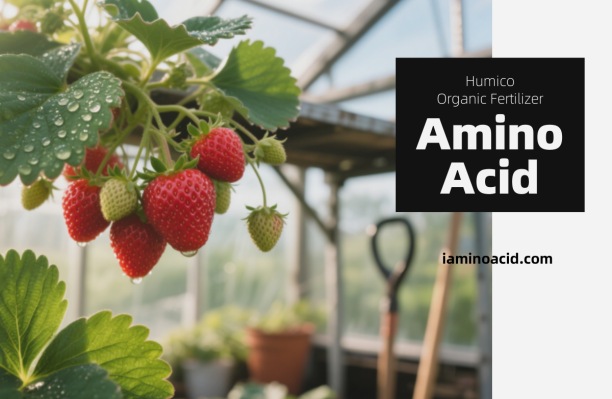
Why Feed Your Strawberries?
Healthy strawberry plants require heavy feeding to ensure vigorous growth and a plentiful crop. These plants have a very short window for nutrient uptake, which can quickly exhaust the soil, particularly in residential gardens or containers. To support the best strawberry plant feeding, it’s essential to consider the soil type and its nutrient availability.
Whether in Southern California or Central Florida, strawberries thrive in fertile, well-drained soil. This soil should contain a minimum of 6% organic matter to support vigorous growth. Incorporating compost or aged manure into the intended strawberry bed before planting can significantly improve soil health and provide a healthy head-start for strawberries.
There are many reasons to fertilize strawberries beyond getting bigger fruit. This process ensures that plants have the essential nutrients necessary for healthy root development, vigorous vegetative growth, and increased fruit bud formation. For gardeners growing in containers, nutrient management is particularly crucial since there is less soil to pull nutrients from.
Applying a balanced fertilizer, such as 10-10-10 or 12-12-12, allows strawberries to receive a healthy blend of nitrogen, phosphorus, and potassium. Conducting a soil test is the best way to determine what mix will suit your backyard and ensure your strawberry plantings thrive.
Essential Berry Nutrients
Essential Berry Nutrients Nitrogen, phosphorus, and potassium (N-P-K) are the primary nutrients strawberries require. The role of nitrogen is that it is a vegetative nutrient that promotes leaf growth.
Phosphorus is essential for strong roots and flowering. Potassium is important for ripening fruit. Micronutrients such as iron and magnesium contribute to a healthy green color and vigor. Each nutrient has its own specific role in supporting all of the plant’s different growth stages.
- Weak growth or yellow leaves: lack of nitrogen
- Poor flowers: low phosphorus
- Soft fruit or weak stems: low potassium
- Pale or spotted leaves: iron or magnesium shortage
Spotting Nutrient Deficiencies
Leaf color is a good indicator of issues. Severe yellow streaking indicates a nitrogen deficiency. Purplish margins may indicate a phosphorus deficiency.
Lack of nutrients can be indicated by slow growth and poor fruit quality. Soil tests are the best way to identify where your soil is lacking.
- Pale leaves
- Slow growth
- Small berries
- Poor fruit set
Risks of Too Much
Adding excess fertilizer can cause root and leaf burn. Excessive fertilizer runoff can be disastrous for our rivers and lakes.
Excess nitrogen results in heavy leaf growth and little fruiting. Use the minimum needed to develop healthy, vigorous plants.
Best Strawberry Fertilizer Choices
Choosing the best strawberry fertilizer for your strawberry plants involves balancing their nutrient requirements with your soil type. Both organic and synthetic types offer distinct advantages, disadvantages, and best uses, making nutrient management essential for healthy growth.
1. Go Organic: Nature’s Way
Organic fertilizers like compost and alfalfa meal offer long-term benefits to soil health. They are food for the earth’s microbes and are nourishment for the soil come the next harvest.
These options decompose gradually, providing consistent nourishment while aiding the earth in remaining aerated and teeming with life. Compost tea, bone meal, and cottonseed meal are our top picks for strawberries.
They enrich the soil with organic matter, help it hold water, and prevent nutrients from leaching away. Going organic reduces the likelihood of chemical runoff. This is great for both our water and soil in the long term!
2. Synthetic Feeds: Fast Acting
Synthetic fertilizers like ammonium nitrate and urea get to work quickly. They promote rapid development, which is beneficial when strawberries require a nutrient flutter.
Often they are cheaper initially and easier to use. Excess can cause runny berries and environmental pollution via runoff when not applied correctly.
Synthetic blends are best for the impatient gardener who wants a quick payoff, but require vigilant dosing and timing.
3. Understanding Fertilizer Labels (N-P-K)
The N-P-K numbers are the ratios of nitrogen, phosphorus, and potassium. Examples of balanced fertilizers are 10-10-10 or 12-12-12. This is particularly true in soils with a pH of 5.5 to 6.8.
Nitrogen is necessary for early growth, but too much produces soft fruit. Potassium and phosphorus aid in blooming cycles and promote firm berries.
Common N-P-K picks include:
- 10-10-10: All-purpose
- 12-12-12: Balanced growth
- 10-20-20: Boosts fruiting
4. DIY Home & Garden Brews
Homemade fertilizers extend dollars and reduce waste. Compost tea, banana peel water, and eggshell brews provide a mild, slow release of nutrients.
These mixes are simple to whip up—just soak peels or scraps in water, strain, and pour at the base of plants. Chemical fertilizers are more likely to build harmful levels of chemicals, whereas slow-release nutrients encourage roots to grow deeper.
5. Specific Strawberry Formulas
Few brands produce specific blends for strawberries, considering unique requirements of June-bearing or everbearing varieties. Products such as Espoma Berry-tone and Dr. Earth Organic Berry Fertilizer provide a well-balanced N-P-K and include beneficial trace minerals.
These choices help take the guesswork out of feeding and help to align with the different growth cycles of various plants.
| Fertilizer Type | Brand/Example | N-P-K Ratio | Organic/Synthetic | Key Benefit |
| Granular | Espoma Berry-tone | 4-3-4 | Organic | Soil health |
| Liquid | Miracle-Gro Water Soluble | 18-18-21 | Synthetic | Fast action |
| DIY | Compost Tea | Varies | Organic | Sustainable, cheap |
| Granular | Dr. Earth Organic Berry | 4-6-3 | Organic | Long-term fertility |
| Granular | Osmocote Smart-Release | 14-14-14 | Synthetic | Slow, steady feed |
When to Fertilize Berries
Understanding when to fertilize strawberries is key to cultivating healthy plants and a successful harvest. The right time to fertilize will vary based on the specific type of berry, your local climate, and the current growth stage of your plant.
Seasonal changes determine the level and type of nutrients needed by strawberries. Aligning fertilizer application timing with planting and fruiting schedules prevents issues such as fruit becoming too soft or the occurrence of plant diseases.
Key fertilization periods for strawberries:
- Before planting: Work amendments into the soil 6–8 inches deep, based on a soil test done 6–12 months ahead.
- Mid-June: Start feeding for new growth.
- Mid-July: Support fruit set and plant health.
- Late August: Last chance to feed for next year’s buds.
First-Year Plant Feeding
Young plants benefit from light fertilization. Begin with a balanced fertilizer such as 5-10-10, at a low rate. This promotes root and leaf development without traumatizing the plant.
Liquid feeds are very effective but require more frequent applications. Monitor soil moisture and color—if leaves appear yellowish, dig a little to see if you need to cut back on feeding. Strong fertilizers should not be used at planting, since they may burn new roots.
June-Bearing Berry Schedule
For June-bearing strawberries, don’t use spring fertilizer. Spring feeding may lead to soft berries and increase disease pressure. Instead, fertilize immediately after harvest in late summer to early fall, but never apply fertilization after August 31st.
Apply 5-10-10 granules at the rate of 5 lbs.
Steps for June-bearing strawberries:
- Fertilize after last harvest in late summer.
- Apply 5-10-10 at label rates.
- Water deeply.
Everbearing & Day-Neutral Timing
These berries are continuous fruiters all season, and they require consistent feeding. Provide the first feed in early spring of the second year, then again mid-summer.
Watch the size of leaf growth and berry enlargement. Reduce feeding in late season if plants become sluggish or fruit quality diminishes.
US Seasonal Feeding Guide
Seasonal regionality is an important factor in fertilizer timing. In northern, cooler states, around mid-June and mid-July. For warmer southern states, stop feeding by late August.
Never apply fertilizer after late August.
Seasonal tips by region:
- North: Fertilize in mid-June, mid-July.
- South: End all feeding by late August.
- West: Watch for dry spells, adjust water and feeding.
How to Apply Fertilizer
Fertilizing strawberries correctly is all about finding the right timing, method, and measurement. While healthy strawberries require a consistent supply of nutrients, over-fertilizing or under-fertilizing these plants can both be detrimental.
Even coverage, the right amount, and careful handling all contribute to quality growth and fruit.
Start With Soil Testing
Soil testing is a wise first step before applying fertilizer of any kind. These tests will indicate pH and nutrient levels, allowing you to determine what your soil requires.
Home test kits are accurate and provide rapid results for nitrogen, phosphorus, and potassium. If your soil is deficient in nutrients, choose a balanced fertilizer—such as 10-10-10.
If pH is out of balance, amend with lime or sulfur accordingly. Be sure to interpret results and adhere to application rate recommendations.
Smart Application Methods
Fertilizer is applied most effectively when applied with consistent, controlled spread. With broadcasting, you’re spreading it all over the bed.
For example, for side-dressing, that would involve putting it in a 6-inch wide band on either side of the row. To ensure more effective fertilizer uptake, incorporate the fertilizer into the soil to a depth of 6–8 inches.
Foliar feeding—spraying liquid nutrients on plant leaves—provides quick relief feed, but don’t do it in the hot midday sun to prevent leaf burn. Use a broom to clear granules from leaves to avoid burning them.
Smart methods for strawberries:
- Broadcast evenly in beds
- Side-dress rows
- Foliar feed early morning
- Always mix into soil
Garden Bed vs. Pot Feeding
Garden beds, which contain more nutrients, require less-frequent applications. Since pots dry out and leach nutrients more quickly, it’s necessary to fertilize more frequently.
Use an appropriate type and amount for both.
| Condition | Frequency | Method | Rate |
| Garden Bed | 1–2 times/season | Side-dress | 8 oz per 20 ft row |
| Pots/Containers | Every 4–6 weeks | Liquid feed | Half rate, watch for buildup |
Water After Fertilizing
Water assists roots in taking up nutrients by helping to transport them to roots. Water after fertilizing, to a total of 1 inch per week.
This reduces salt damage and promotes development. To help prevent fertilizer from running off, water it in slowly with a deep soaking.
Watering tips:
- Water right after feeding
- Keep soil moist, not soggy
- Use drip lines for steady moisture
- Avoid overhead watering in sun
More Than Just Fertilizer
Producing the best strawberries possible requires considering more than just applying more fertilizer to the soil. A healthy plant begins with healthy soil. Fertilizer is important, but so is soil health, organic matter, and agronomic practices.
Strawberries are happiest when the soil is rich and teeming with life. Microbes help decompose the compost and/or aged manure, converting nutrients into forms that are easily taken up by roots. Whether it’s California or anywhere else in the U.S., soil pH of 6.0 to 6.3 is ideal for strawberries.
Similarly, if soil is overly acid or alkaline, lime or sulfur can be added to ameliorate the problem. Incorporate compost or aged manure to a depth of 6 to 8 inches. This practice improves drainage as it should, because it’s lost nutrients getting washed away from the roots in the first place!
Healthy soil retains moisture but has good drainage, preventing roots from rotting. Cover crops, such as clover, can help break up compacted soil and improve the organic matter content. Crop rotation—changing what you plant each year—prevents disease and keeps soil healthy.
Extra soil health tips:
- Test soil pH before planting and after each season.
- Rotate strawberries with a crop such as beans or leafy greens to help break pest cycles.
- Add compost each spring to keep soil rich.
- Avoid walking on garden beds to keep soil fluffy.
Build Healthy Soil First
First, get your soil tested. A quick and easy kit from your local garden center will let you know if the soil is too acid or is missing key nutrients. Add a layer of compost or aged manure to the top of the bed, then work it in deep—6 to 8 inches, at least.
This lightens up your drainage and provides tons of food for your plants. Healthy soil translates to reduced disease risk and larger berries, ensuring beds are productive for many years.
Mulch for Happy Plants
Mulch helps your plants retain moisture and prevents weeds. Straw is a traditional mulch for growing strawberries. Wood chips are fine as well, although they can temporarily use up nitrogen, so if using wood chips, add more compost.
Apply mulch 2 inches deep around each plant, but avoid covering the crowns to prevent rot.
Best mulching tips:
- Use clean straw, not hay, to avoid weed seeds.
- Refresh mulch after heavy rain.
- Pull mulch away from crowns in spring.
Pruning for Better Fruit
Pruning is essential for maintaining healthy growth in strawberry plants, as it helps keep air moving and allows sunlight to reach every leaf. By removing spent leaves and runners post-harvest, you can ensure that your strawberry plantings yield big, sweet berries the following year. This practice is particularly important for berry plants like June-bearing varieties, which should be pruned after harvest to promote nutrient availability.
Day-neutral strawberry varieties, which are often grown as annuals, require less pruning. However, effective ways to care for these plants still include regular soil tests to assess soil nutrients and ensure good soil fertility management. By understanding the nutrient requirements of your plants and applying the right strawberry fertilizer, you can maximize fruit buds and achieve a good crop.
Incorporating natural fertilizers and organic methods can enhance the overall health of your garden soil. Whether you are using granular fertilizers or liquid fertilizers, ensuring that your soil structure supports the essential nutrients for your berry plants is crucial. Engaging with a gardening forum can provide valuable insights into best practices for strawberry plant feeding and help answer any gardening questions you may have.
- Remove dead leaves and weak runners.
- Prune after harvest, not during bloom.
- Use sharp, clean shears to prevent disease.
Conclusion
If you want to produce beautiful, healthy strawberries, go with an easy, all-purpose fertilizer. Look for something with these numbers on the back of the fertilizer bag—for example, 10-10-10 or 14-14-14. Don’t forget to fertilize your plants early in the spring, but again after harvesting your first berries. Never apply fertilizer only on top of the soil; always mix it directly into the dirt. Be sure to water thoroughly after fertilizing them. Healthy soil will do the hard work for you—add a handful of compost or shredded fall leaves every once in a while. Plants are not only starved of proper food, they’re deprived of sun, of water, of space to grow. Looking to create a patch of sweet strawberries. Follow these steps to begin and don’t overcomplicate things. Submit your own tips or questions in the comments section below. Together, we can all grow some pretty amazing berries!
Frequently Asked Questions
What type of fertilizer is best for strawberry plants in Los Angeles?
The best strawberry fertilizer for strawberry plants is a balanced fertilizer, such as 10-10-10, which provides essential nutrients like nitrogen, phosphorus, and potassium. This formulation encourages healthy growth and fruit production, ensuring rich soil for optimal strawberry plant feeding.
How often should I fertilize my strawberry plants?
How often should I fertilize my strawberry plants? It’s essential to fertilize when you plant strawberries, then again after the first bloom. In Los Angeles, an additional light feeding of strawberry fertilizer mid-season can be beneficial, especially if you notice yellowing leaves or lackluster growth.
Can I use organic fertilizer for strawberries?
Yes, organic fertilizers such as compost or well-rotted animal manures are great for strawberry plants today, as they nourish soil health and slowly release essential nutrients ideally suited for healthy growth in Southern California’s mild climate.
Should I water after fertilizing strawberries?
Should I water after fertilizing strawberry plants? This ensures that essential nutrients, including those from strawberry fertilizer, are reaching the roots and prevents fertilizer burn.
Are there fertilizers to avoid for strawberries?
Steer clear of high-nitrogen fertilizers for your strawberry plants today. Excess nitrogen can produce grand foliage but significantly reduce berry yield, so stick to balanced or slightly lower-nitrogen formulas.
Is slow-release fertilizer good for strawberries?
Slow-release fertilizers are convenient, providing a consistent release of essential nutrients, making them ideal for on-the-go Los Angeles gardeners who wish to cultivate lush strawberry plants today without all the work.
What else helps strawberries grow besides fertilizer?
Full sun, well-drained garden soil, regular watering, and a nice mulch layer are essential for strawberry plant feeding. Proper cultural practices significantly enhance nutrient availability for quality fruit and vigorous growth.
Written by HumxAmino | Amino Acid Fertilizer
Original article source: https://www.iaminoacid.com/what-is-the-best-fertilizer-for-strawberry-plants/